
He Left Without a Word. Here’s What the Archives Couldn’t Tell Me — But His Family Could
 11
11Jun
What an immigrant’s disappearance taught me about the limits of records, the value of living relatives, and why some answers only exist in family memory. The ancestor in this story happened to be Swedish; the story itself is one that almost every immigrant family carries.
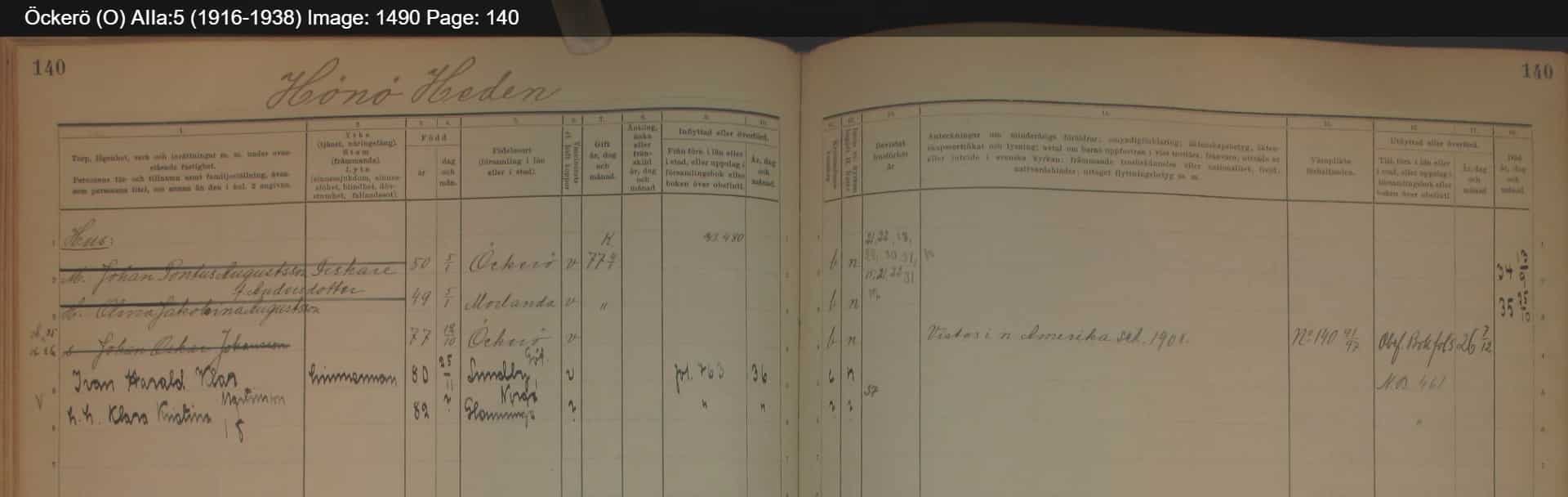
Öckerö parish husförhörslängd AIIa:5 (1916–1938), Image 1490, Page 140 — showing the 7 December 1926 transfer notation (“Obf. Bok fol. 26 7/12”) for Johan Oskar Johansson. ArkivDigital refs: r5.p140043611 / r5.p140043612. Source: Riksarkivet via ArkivDigital — https://app.arkivdigital.se/volume/v235039?image=1490&page=140.
I can tell you exactly when Johan Oskar Johansson stopped showing up.
January 1904. The Marstrand Sjömanshus — the seamen’s administrative house where every Swedish sailor had to register — quietly dropped his name from the rolls, along with a handful of other men who hadn’t appeared in years. His home parish on Hönö island had noted that he was residing in America starting in 1901. In 1926, twenty-five years after he’d last been seen in Sweden, the parish transferred him to the Bok över obefintliga — the register of non-existent persons, the administrative equivalent of giving up.
The archives could tell me all of this. What they couldn’t tell me was why he left without a word to any official body, why he never came back, and why the man who became John Oscar Johnson of Brooklyn sealed the door behind him so completely that his own children never learned the full story.
That answer was still alive. Just barely.
One of the best possible outcomes in genealogical research: oral history and documentary record speaking directly to each other.
The Commission: Finding Living Relatives
I was hired to help our client prepare for a trip to Sweden by identifying living relatives on Hönö, the small island in the Gothenburg archipelago where her great-great-grandfather Johan Oskar had been born in 1877. She wasn’t looking for a pedigree chart. She wanted to walk the island her ancestor had left, understand the man well enough to relate to him as a person, and meet the people who carried his family forward in the place he never returned to. That framing — wanting the trip to be meaningful, not just a checklist of names and dates — shaped everything about how I approached the project.
Instead of leading with archives, I led with people. I searched genealogy platforms for Swedish tree managers working on the same family lines — specifically descendants of Johan Oskar’s siblings, the branches that had stayed on the island. These are the people most likely to still be there, most likely to have kept family documents, and — crucially — most likely to have heard the stories.
That instinct paid off in a way I didn’t anticipate.
The Story That Changed Everything
The client’s uncle — who had visited Hönö himself in the early 1980s — had been part of the project from the beginning. The family already knew fragments of the story; that was part of why the commission existed. But it was only after the documentary research was substantially complete, after I had laid out what the archives could and couldn’t say about Johan Oskar’s departure, that the uncle shared what he had been holding back. In 1984, on Hönö, he had asked a local islander named Stig — the man who actually brought him to the graves of his great-grandparents — why Johan Oskar had left Sweden. Stig told him.
There had been a boating accident—a small group of young men. Johan Oskar was the only one who survived; his companions drowned. And then he left — without formal notice to the church, without checking out of the Sjömanshus, without telling anyone where he was going or when he’d return. He went to England first, then America, and he never came back.
Stig is dead now. He died not long after that 1984 conversation. The client’s uncle is the last person who heard that story directly. And because he wrote it down and shared it with us, it is now preserved in writing for the first time, 125 years after the events it describes.
Why the Records Suddenly Made Perfect Sense
Here’s what I had already found in the archives before that letter arrived:
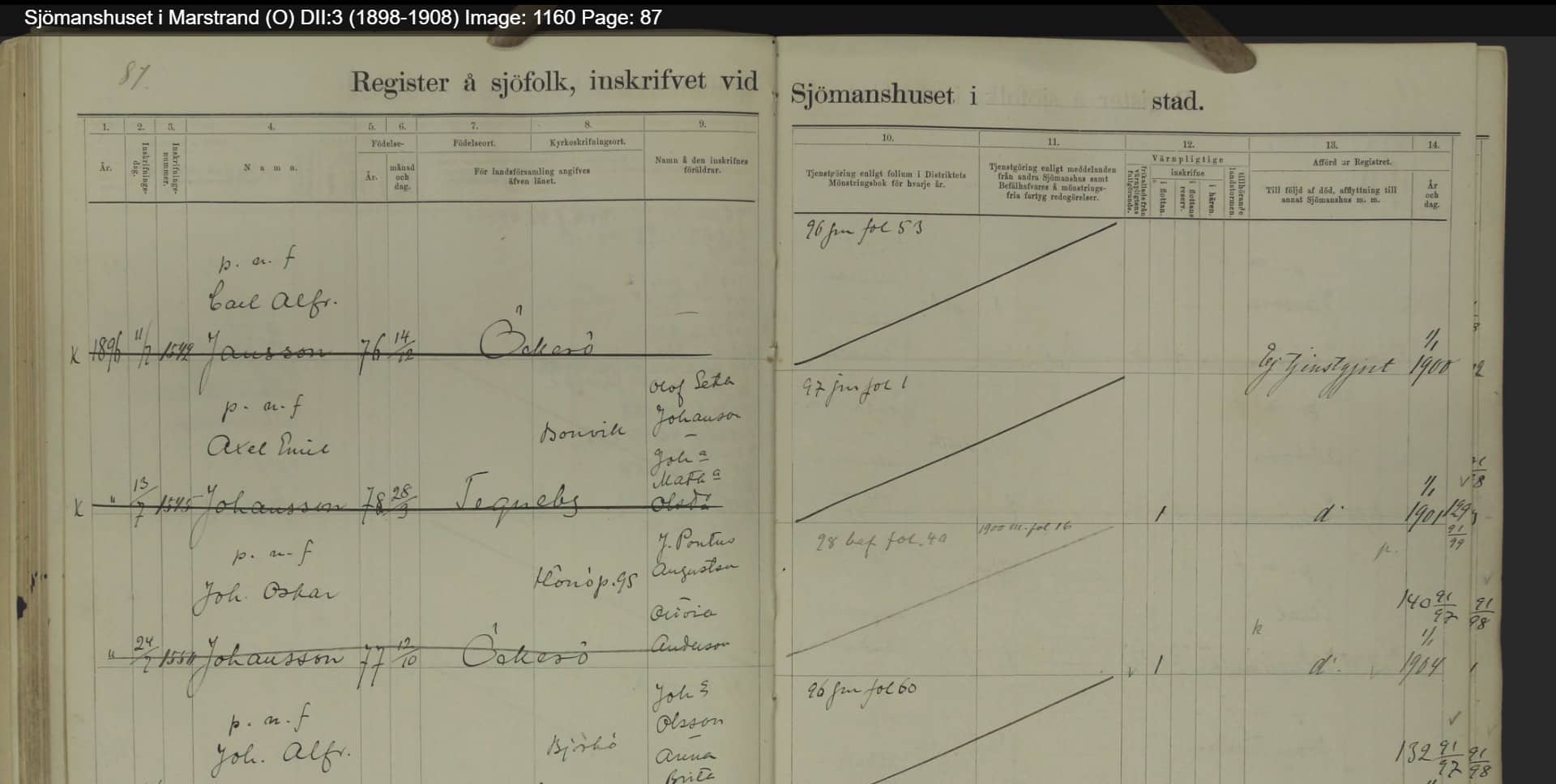
Sjömanshuset i Marstrand (O) DII:3 (1898–1908), Image 1160, Page 87 — enrollment entry for Johan Oskar Johansson with cross-reference notation “Hönö p. 98” pointing to Öckerö AIIa:2 (1895–1905), Page 98. Source: Riksarkivet via ArkivDigital — https://app.arkivdigital.se/volume/v292150?image=1160
- Last confirmed appearance in the Sjömanshus records: 1900. Dropped from rolls in early 1904, along with a batch of other non-appearing sailors.
- Home parish notation: vistas i Amerika from 1901. He went, and the parish knew it, but no formal exit paperwork was ever filed.
- Transfer to the Bok över obefintliga: 1926. Twenty-five years after his last confirmed presence in Sweden, the parish formally gave up.
- US naturalization records confirm the identity continuity: Johan Oskar Johansson = John Oscar Johnson, Brooklyn. Very much alive. The Swedish records were responding to information asymmetry, not to his death. (Bridging the Atlantic was straightforward here because his US naturalization fell after the 1906 federal reforms, which required applicants to declare their exact place and date of birth — a documentary anchor that makes identity continuity across the ocean unambiguous for most post-1906 immigrant ancestors.)
Every detail of that documentary record is consistent with a man who deliberately chose to disappear. He didn’t file exit paperwork because he didn’t want to have the conversation that paperwork would invite. He didn’t notify the Sjömanshus because he wasn’t coming back to use its services. He let his family hope for twenty-five years because he never sent word — and silence, in this context, was arguably a kindness. Under Swedish law, a confirmed communication from a living person would reset the clock on any future ability to have him legally declared dead. If he was never coming home, the most practical thing he could do for the people he left behind was stay silent and let the clock run.
The archives told me he was gone. The oral account told me why he left, why he never came back, and why he never wrote. Neither piece would have produced a confident interpretation on its own. The family story, without the records, would have been a memory that researchers could neither corroborate nor situate. The records without the family story would have left the most important questions — the human ones — as nothing more than speculation. Together, they produced a reading of Johan Oskar’s departure that I’d stand behind under the Genealogical Proof Standard.
Why Twenty-Five Years? (And Why That’s Not the Law)
One thing I dug into while researching this case: Swedish law required only ten years of absence before a family could apply for a legal declaration of death. So why did Johan Oskar’s family wait twenty-five years to act? And why does roughly the same twenty-five-year gap appear in the parallel case of his great-grandfather August Olsson, who disappeared at sea in 1856 and wasn’t declared legally dead until 1883?
The answer isn’t a statute. No law required them to wait that long. The answer is human.
Twenty-five years is a generation. It’s the point at which the people who knew you, who remembered your face, who still half-expected you to walk through the door, have aged past the capacity to keep waiting. The paperwork that formalized the absence wasn’t a cause. It was an effect: the administrative action that followed after hope had finally run out.
When you’re researching a Swedish ancestor, and you see a Bok över obefintliga entry appearing roughly twenty-five years after the last confirmed contact, you’re not seeing a legal threshold. You’re seeing the moment a family gave up.
What This Means for Any Family With an Immigrant Ancestor
Every immigrant family has one. The relative who left and never came back. The one whose departure never quite added up. The Italian grandmother who arrived in 1907 and never spoke of the village she came from. The Polish great-uncle who disappeared between the 1910 and 1920 censuses. The Irish ancestor whose paper trail stops at Castle Garden. The Mexican great-grandfather whose family lost touch with him after he crossed back over the border in 1923. The specific records vary by country — Sweden happens to keep unusually good ones, which is why this case has documentary detail that many countries can’t match — but the human pattern is the same everywhere. Someone left. The family back home wondered. The family on this side knew only fragments. And the records, even the good ones, only ever capture the outline of what happened.
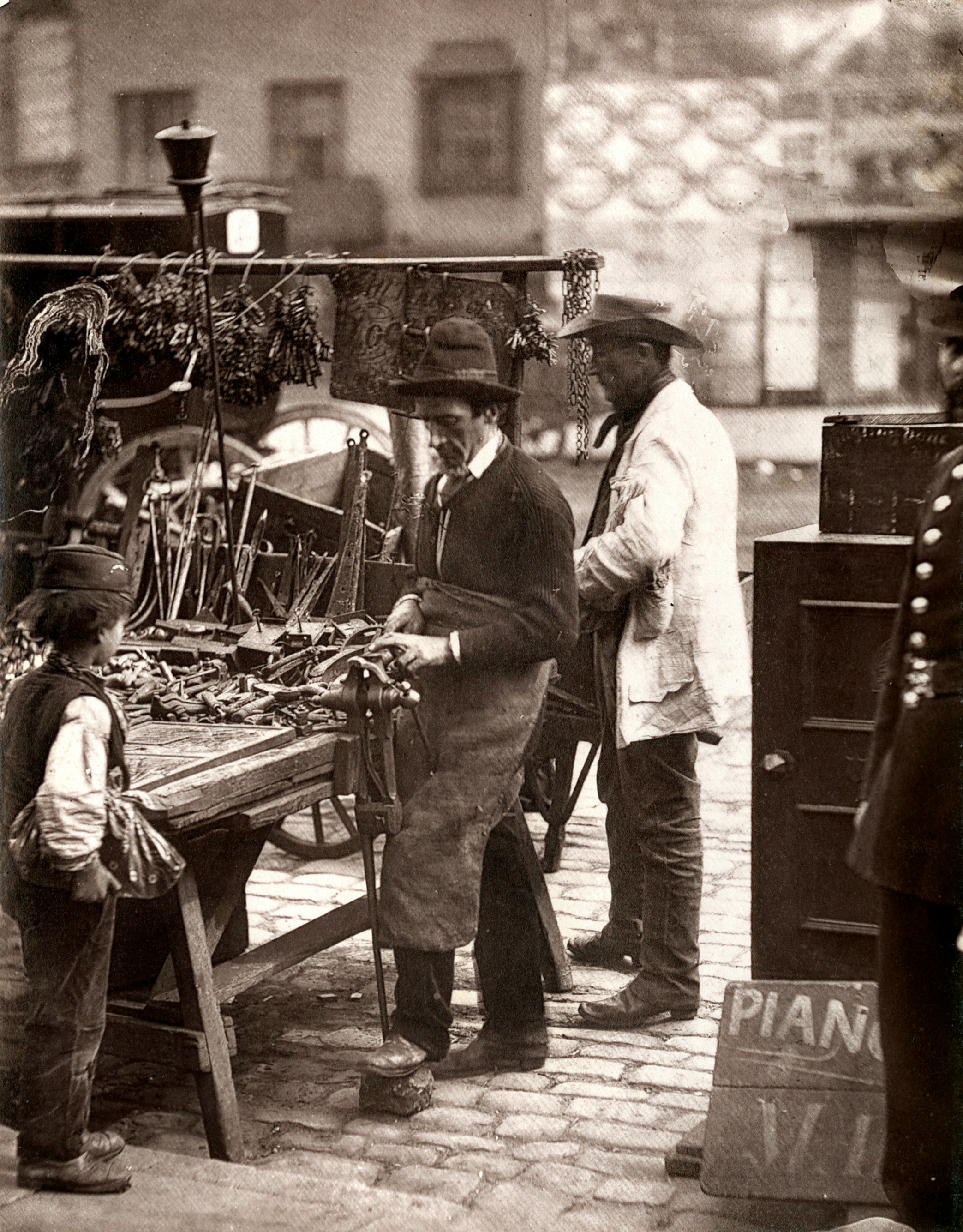
A few principles worth carrying into any immigrant-ancestor research, illustrated by what this Swedish case, revealed:
The Bok över obefintliga transfer date is not a biographical event. It’s an administrative convenience date. Don’t read it as the moment something happened to your ancestor. It’s the moment the parish clerk stopped expecting them to show up.
Sjömanshus drops are revenue housekeeping, not death records. The seamen’s house was a fee-collection institution. When it dropped non-appearing sailors en masse every January, it was clearing its books of non-contributing members. That batch drop tells you almost nothing about what happened to any individual sailor.
Contact living relatives early, not late. I found the oral account explaining this entire case not through archival research but through outreach to genealogically active collateral relatives — people descended from the siblings who stayed. They’re the ones who kept the stories. They’re also the ones whose time is running out.
For subjects born before 1900, you may be talking to the last generation that can still reach back to a living memory of those people.
Johan Oskar Johansson was born in 1877. The person who held the key piece of his story — Stig — died shortly after 1984. The transmission chain is: the accident (c. 1899–1901) → island community memory → Stig → the client’s uncle (1984) → written record (2025–2026). Remove any one link and the story is gone forever.
We got lucky. We got lucky because the outreach happened, because the right question was asked at the right moment, and because someone wrote it down.
A Note on What This Kind of Research Actually Requires
Finding this story required four things working together: fluency in the Swedish administrative record (parish books, Sjömanshus rolls, mantalslängd, court declarations), an understanding of what each institution actually was and wasn’t, the capacity to trace collateral family lines across 125 years and an ocean, and the professional judgment to recognize a one-paragraph email from an uncle as the most important source in the case.
None of that is the kind of thing a researcher learns from a subscription database. ArkivDigital will sell you the images. It will not tell you which images matter, what the markings on them mean, or which living person in Bohuslän today might be the one who heard a story in 1984 that the records will never tell you.
The window is closing on this kind of work for late-nineteenth-century ancestors. The people who can still bridge to a living memory are aging out. If your family has an immigrant in the line — Swedish or Italian, Norwegian or Lebanese, Polish or Mexican or anywhere else — and especially if there’s one who seemed to disappear, who never spoke of home, who left questions instead of answers, there may still be time to recover what the records cannot give you.
If you’d like to talk about what a research project on your family might look like, please reach out to Price Genealogy. The kind of result described above is genuinely possible — but only when the right pathways are followed before the people who hold the answers are no longer here to ask.
Andre
Sources consulted:
Swedish parish household examination records (husförhörslängd and Bok över obefintliga), Öckerö parish, Bohuslän, via ArkivDigital.
Sjömanshus rolls, Marstrand.
US naturalization records for John Oscar Johnson, Brooklyn.
Oral historical account transmitted by the client’s uncle, 2025–2026, originally from Stig (Hönö, 1984).
Swedish statutory history of dödförklaring via lagen.nu/prop/2004/05:88.
Images:
- Öckerö parish husförhörslängd AIIa:5 (1916–1938), Image 1490, Page 140 — showing the 7 December 1926 transfer notation (“Obf. Bok fol. 26 7/12”) for Johan Oskar Johansson. ArkivDigital refs: r5.p140043611 / r5.p140043612. Source: Riksarkivet via ArkivDigital
- Sjömanshuset i Marstrand (O) DII:3 (1898–1908), Image 1160, Page 87 — enrollment entry for Johan Oskar Johansson with cross-reference notation “Hönö p. 98” pointing to Öckerö AIIa:2 (1895–1905), Page 98. Source: Riksarkivet via ArkivDigital
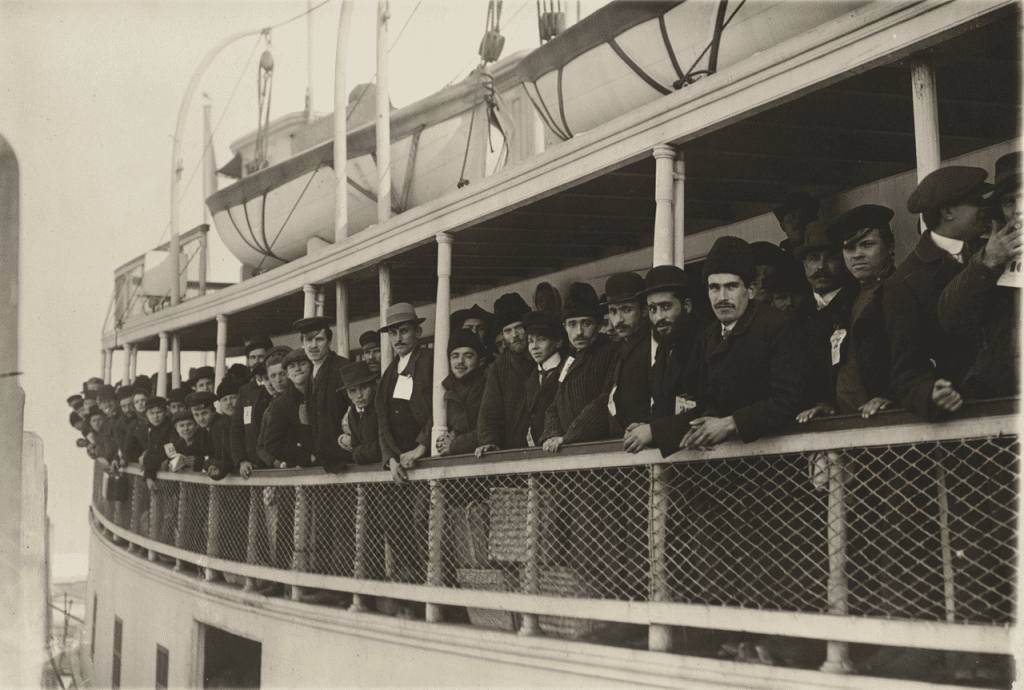
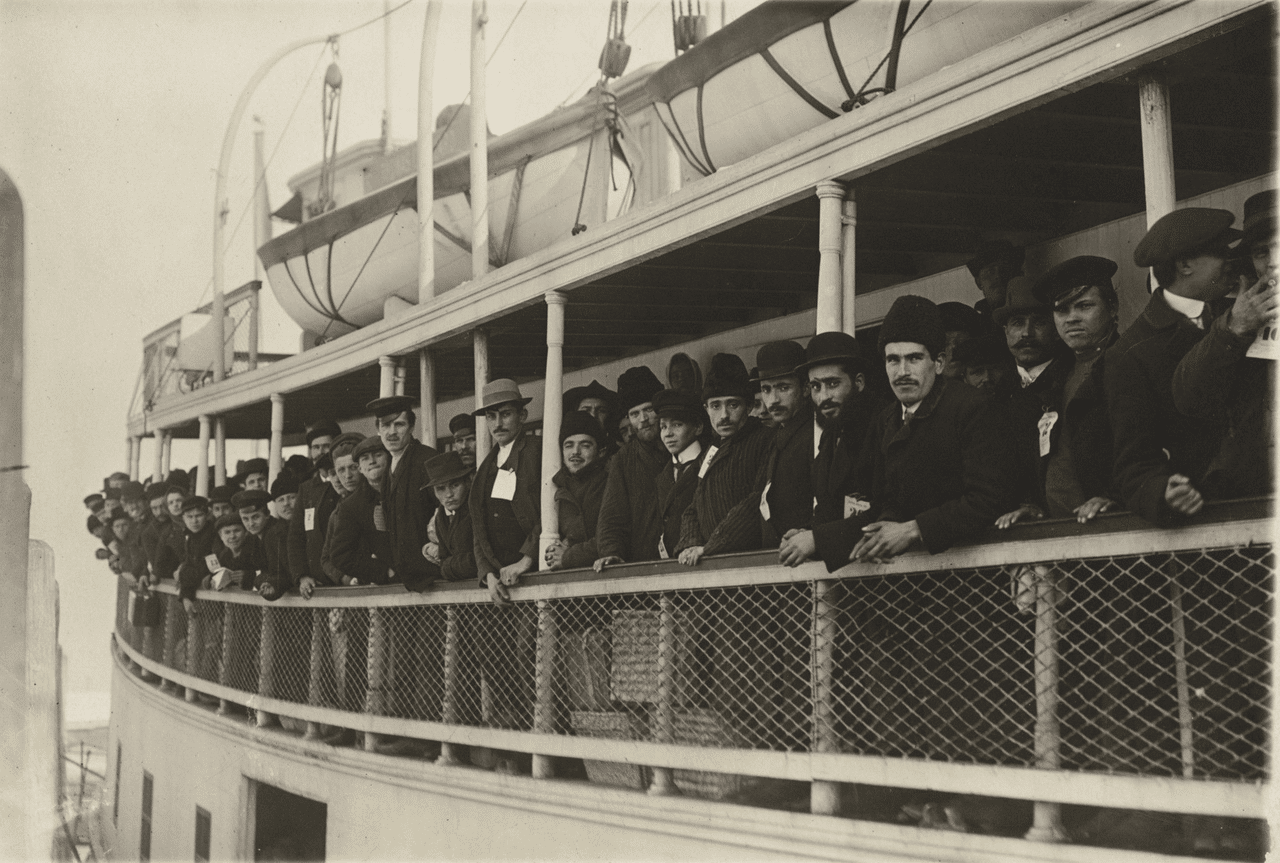
- Photograph of Immigrants on a Ferry Boat Near Ellis Island.png. Records of the Public Health Service, Record Group 90. SOURCE: catalog.archives.gov/id/594479, mákvirágok, public domain. https://commons.wikimedia.org/wiki/File:Photograph_of_Immigrants_on_a_Ferry_Boat_Near_Ellis_Island.png
- Unsplash, with permission, published on April 2, 2020, (https://unsplash.com/photos/man-in-white-dress-shirt-and-black-pants-standing-beside-man-in-black-suit).